



Introduction
In the video "Hunting in remote spots with Jeff Sturgis," Jeff shares his experiences and insights on hunting and exploring remote areas in the United States. He discusses the evolution of transportation methods, the strategies he employs to minimize disturbances to wildlife, and the significant impact modern machines have had on his hunting and exploration activities.
Exploring Remote Areas
Jeff Sturgis has a profound love for exploring remote locations in the woods. He mentions several key areas, including Pennsylvania, Upper Michigan, and Southeast Ohio, where he enjoys venturing deep into the wilderness. These areas offer vast wilderness and minimal human presence, providing an ideal setting for both exploration and hunting. Jeff highlights that there have been seasons where he hasn't encountered another hunter, underscoring the remoteness of these locations.
Evolution of Transportation
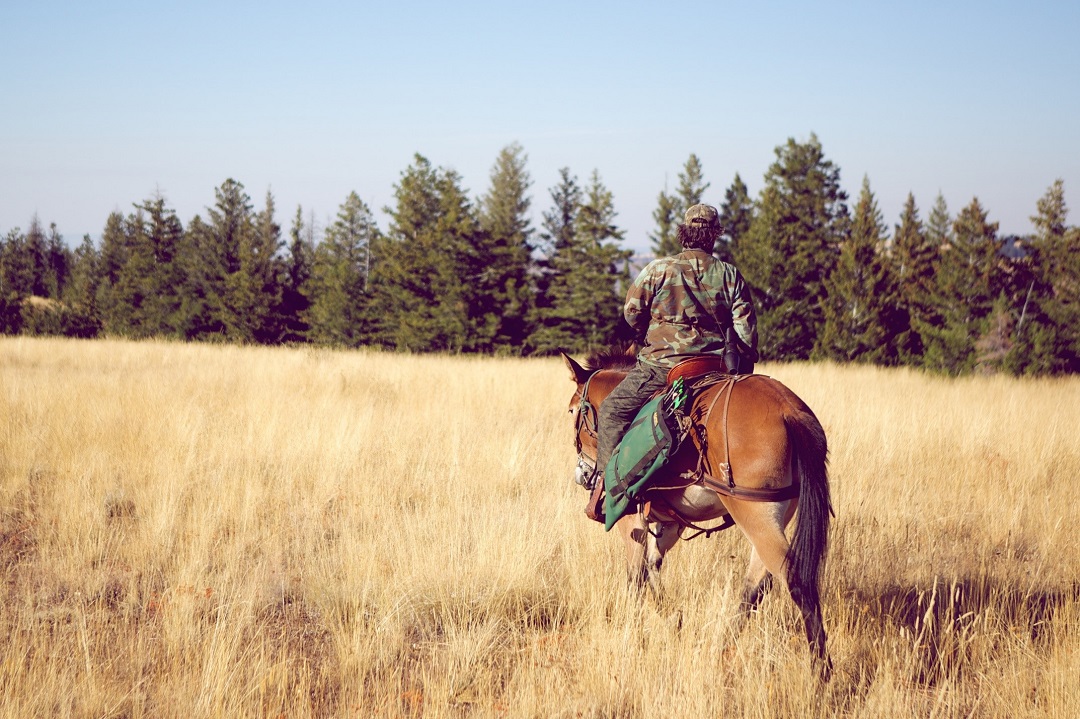
One of the significant changes Jeff discusses is the evolution of transportation methods used for exploration and hunting. In the 1980s, he used a small vehicle, a Chevette, to drive as far into the woods as possible before continuing on foot. This limited his access to deeper wilderness areas. However, modern advancements in transportation, such as Polaris Rangers equipped with tracks, have revolutionized his ability to explore these remote locations. These machines allow him to traverse challenging terrains and reach areas that were previously inaccessible.
Hunting Strategy
Jeff's hunting strategy involves a combination of driving and walking. He emphasizes the importance of walking significant distances to avoid spooking deer. While he uses modern machines to get close to his hunting spots, he often parks and walks the rest of the way, sometimes covering distances of up to an hour or more on foot. This approach ensures that the noise and scent of the machines do not alert the deer to his presence. He contrasts this with off-season exploration, where he can use machines more freely without worrying about disturbing the wildlife.
Impact of Modern Machines
Modern machines have not only enhanced Jeff's hunting capabilities but also transformed his career and recreational activities. As a consultant, he helps clients set up hunting properties, advising them on various aspects such as timber management, habitat creation, and stand locations. The use of advanced machines allows him to efficiently explore and assess large properties without disturbing the wildlife. Additionally, these machines have made off-season exploration with family and friends more enjoyable, enabling them to access and appreciate remote wilderness areas.
Conclusion
Jeff Sturgis's experiences highlight the profound impact of modern machines on hunting and exploring remote areas. The advancements in transportation have opened up new possibilities for accessing and enjoying wilderness habitats. By combining traditional hunting strategies with modern technology, Jeff has been able to enhance his hunting success while minimizing disturbances to wildlife. His insights provide valuable lessons for hunters and outdoor enthusiasts looking to explore and hunt in remote locations.
Time Interval: 00:00 - 04:37
Summary
- ? Exploration and Hunting in Remote Areas: Jeff discusses his passion for exploring remote woods in the States, such as Pennsylvania, Upper Michigan, and Southeast Ohio, where he often goes seasons without encountering other hunters.
- ? Evolution of Transportation: He compares his early days of using a small vehicle in the '80s to the advanced machines available today that facilitate deeper exploration into the woods.
- ? Hunting Strategy: Jeff explains his strategy of driving to a location and then walking significant distances to avoid spooking deer, emphasizing the difference between in-season and off-season exploration.
- ?️ Impact of Modern Machines: Modern machines have transformed not only his hunting but also his career and recreational activities, allowing him to explore and set up properties efficiently without disturbing wildlife.
Insights Based on Numbers
- Seasons without seeing other hunters: Jeff mentions he has experienced entire seasons without encountering another hunter, highlighting the remoteness of his chosen hunting spots.
- Time Spent Walking: He often walks 45 minutes to over an hour to reach his hunting locations, indicating the lengths he goes to avoid disturbing deer.
What does the video say about how modern machines changed hunting strategies and exploration methods in remote areas?
Hunting Strategies
-
Advanced Transportation:
- Jeff discusses how the use of modern machines, such as Polaris Rangers with tracks, has revolutionized access to remote hunting areas. These machines allow hunters to traverse difficult terrains and reach locations that were previously inaccessible with older, less capable vehicles.
-
Reducing Disturbances:
- Despite the convenience of modern machines, Jeff emphasizes the importance of minimizing disturbances to wildlife. He explains that while machines can get hunters close to their target areas, it's crucial to park them at a distance and continue on foot to avoid spooking deer. This strategy involves walking significant distances, sometimes up to an hour or more, to ensure a successful hunt.
What does the video say about the key differences between in-season and off-season exploration according to Jeff Sturgis?
In-Season Exploration
-
Minimizing Disturbances:
- During the hunting season, Jeff emphasizes the importance of minimizing disturbances to deer. He avoids driving machines directly to his treestand to prevent spooking the deer. Instead, he parks at a distance and walks the rest of the way, often covering substantial distances on foot.
-
Hunting Strategy:
- Jeff's in-season strategy involves a combination of driving to a strategic location and then walking to his hunting spot. This approach helps maintain the element of surprise, ensuring that deer are not alerted to his presence by the noise or scent of machines.
-
Stealth and Patience:
- Patience and stealth are crucial during the hunting season. Jeff often walks for 45 minutes to over an hour to reach his stand, ensuring that he is as quiet and unobtrusive as possible. This careful approach increases his chances of a successful hunt.
Off-Season Exploration
-
Freer Use of Machines:
- In contrast, off-season exploration allows for the freer use of machines. Jeff can use vehicles like Polaris Rangers with tracks to explore remote areas without worrying about disturbing the deer. This is because any disturbances during the off-season will not impact the deer’s behavior in the upcoming hunting season.
-
Property Assessment:
- The off-season is also a time for property assessment and preparation. Jeff uses modern machines to efficiently explore and evaluate hunting properties, planning improvements such as timber management, habitat creation, and stand locations without the concern of spooking deer.
-
Recreational Exploration:
- Off-season exploration is not just about hunting preparation; it’s also about enjoying the outdoors. Jeff and his family and friends use this time to explore remote wilderness areas for recreation, taking advantage of the capabilities of modern machines to access and enjoy these regions.
Conclusion
The key differences between in-season and off-season exploration, as highlighted by Jeff Sturgis, revolve around the use and impact of modern machines. In-season, the focus is on minimizing disturbances to wildlife, requiring a more traditional approach of walking long distances. Off-season, there is greater flexibility in using machines to explore, assess, and enjoy remote areas without the risk of affecting future hunts. These seasonal strategies allow Jeff to balance effective hunting practices with efficient property management and recreational enjoyment.
-
Off-Season vs. In-Season:
- Jeff highlights the differences between in-season and off-season exploration. During the hunting season, he prioritizes stealth and distance from machines to prevent alerting deer. In contrast, off-season exploration allows for more liberal use of machines without the worry of disturbing wildlife, as any disturbances will not affect future hunts.
Exploration Methods
-
Deeper Access:
- Modern machines enable hunters and explorers to venture deeper into remote wilderness areas. This access allows for a more thorough exploration of different habitats, which would have been difficult or impossible with older transportation methods.
-
Efficient Property Assessment:
- Jeff mentions that as a consultant, he uses these machines to efficiently assess and set up hunting properties for clients. The ability to cover large areas quickly and with minimal physical effort allows for better planning and management of hunting grounds.
-
Enhanced Enjoyment:
- For recreational exploration, modern machines provide a means to enjoy and appreciate remote wilderness areas without the extensive physical exertion required in the past. This has made outdoor activities more accessible and enjoyable for a wider range of people, including Jeff's family and friends.
In summary, modern machines have significantly changed hunting strategies and exploration methods by providing deeper access to remote areas, enabling efficient property assessments, and enhancing the overall enjoyment of outdoor activities. However, hunters like Jeff Sturgis still prioritize traditional methods of minimizing disturbances to wildlife during the hunting season.
What does the video say about how Jeff's approach to setting up hunting properties benefits from modern technology?
Efficient Exploration
-
Advanced Machines:
- Jeff uses modern machines, such as Polaris Rangers with tracks, to explore large properties quickly and efficiently. These machines enable him to access remote and challenging terrains that would be difficult to reach on foot. This efficiency is particularly beneficial when assessing extensive properties.
-
Detailed Assessments:
- With the ability to cover more ground in less time, Jeff can conduct detailed assessments of hunting properties. This includes evaluating timber, habitats, food plots, and water holes. The comprehensive exploration facilitated by modern technology allows for more accurate and effective planning.
Improved Property Management
-
Strategic Planning:
- The insights gained from efficient exploration help Jeff create well-informed plans for setting up hunting properties. He can strategically place stand locations and access points to minimize disturbances to wildlife and maximize hunting success. This level of planning would be challenging without the advantages provided by modern machines.
-
Habitat Enhancements:
- Modern technology enables Jeff to identify and implement habitat enhancements more effectively. He can determine the best locations for food plots and water holes, as well as manage timber resources to create optimal conditions for wildlife. These enhancements improve the overall health and attractiveness of the hunting property.
Increased Client Satisfaction
-
Customized Solutions:
- Jeff’s use of modern technology allows him to offer customized solutions to his clients. By thoroughly exploring and understanding each property, he can provide tailored advice on how to set up and manage the land for hunting. This personalized approach leads to higher client satisfaction and better hunting experiences.
-
Efficient Implementation:
- The efficiency of modern machines means that Jeff can implement his recommendations more quickly and with less physical effort. This not only saves time but also reduces the labor required for property improvements, making the process more cost-effective for clients.
Conclusion
Jeff Sturgis’s approach to setting up hunting properties greatly benefits from modern technology. Advanced machines facilitate efficient and thorough exploration, leading to detailed assessments and strategic planning. The ability to quickly and accurately evaluate properties allows for better habitat management and customized solutions, resulting in increased client satisfaction and more successful hunting experiences.