




Introduction
Hunting and habitat management go hand in hand, especially when professionals like Jeff Sturgis are involved. Jeff has been deeply immersed in the hunting industry, working on deer habitat and collaborating with clients since 2005. His personal journey began even earlier, in 1995, on his own lands. This article delves into Jeff's methods, experiences, and insights into creating and maintaining healthy wildlife habitats.
Early Efforts and Evolution
Jeff Sturgis's early efforts in habitat management began with significant projects, such as planting 9,000 trees in the mid-90s. These efforts were foundational but lacked the nuanced understanding he has today. Over the years, Jeff's approach has evolved from broad efforts to more specific, targeted practices. This evolution is marked by a deeper understanding of different species and how they interact within their habitats.
Understanding and Integrating Different Habitats
Growing up in diverse environments, Jeff learned how various habitats are interconnected. He spent time in Michigan's farmland and public lands in Pennsylvania, each offering unique lessons. This experience taught him the importance of understanding different habitats and integrating this knowledge into habitat management practices.
Indicator Species as a Measure of Success
One of Jeff's significant insights is using indicator species to gauge the health of a habitat. Species such as grouse, pheasants, and turkeys serve as indicators of a thriving environment. If these species are flourishing, it often means the habitat is also suitable for whitetail deer. This holistic approach ensures that habitat improvements benefit multiple species, not just the target game.
Modern Equipment and Year-Round Habitat Improvement
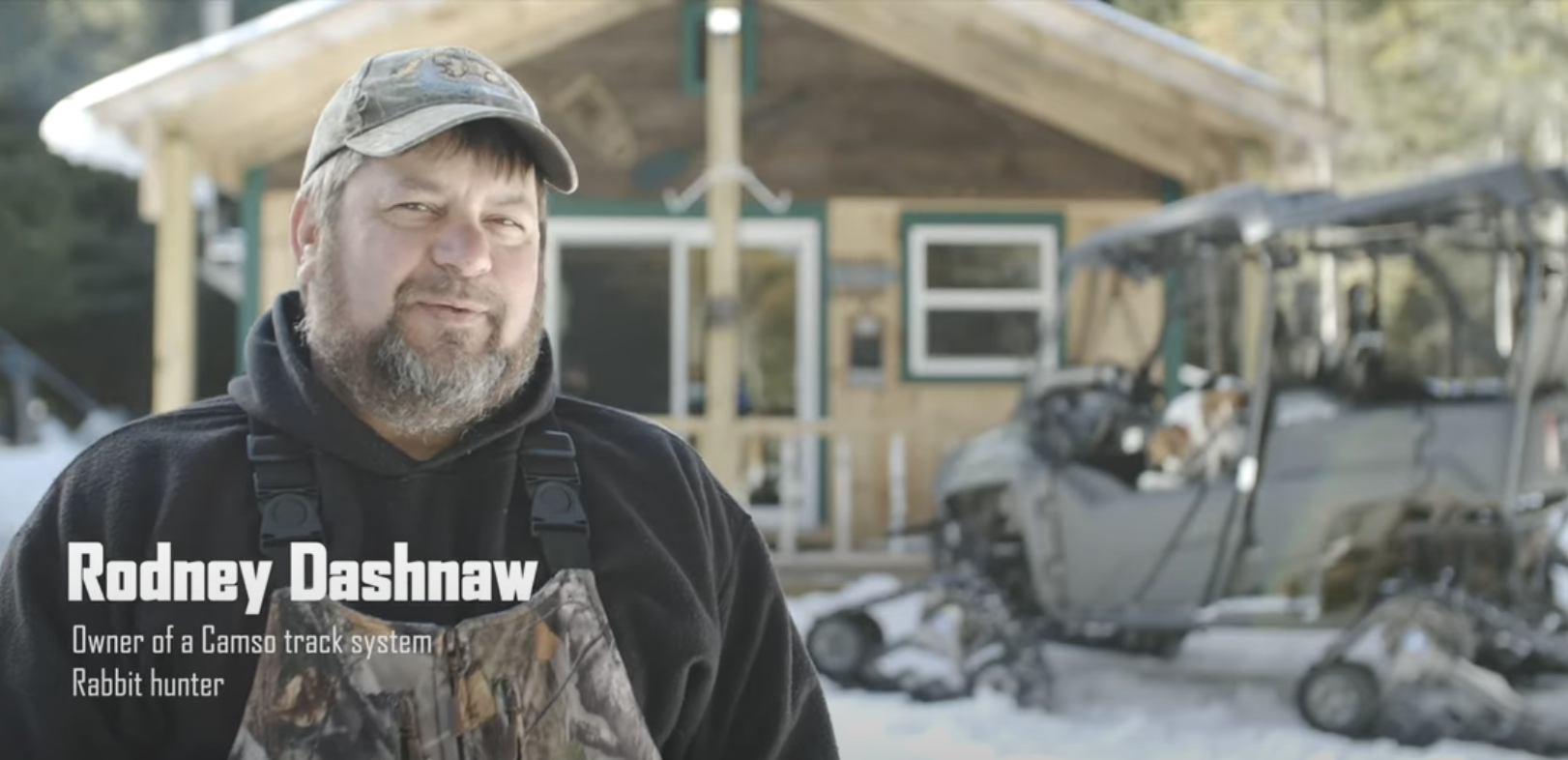
Modern equipment has revolutionized habitat management. Jeff utilizes side-by-sides with tracks, allowing him to work year-round, even in harsh conditions like deep snow and extreme cold. This equipment enables him to access remote areas and maintain continuous habitat improvement, a significant advancement from the past when weather and terrain often limited such activities.
Practical Applications and Personal Passion
Jeff's work is not just professional but also a personal passion. He integrates his love for wildlife and habitat creation with his career, ensuring that his methods are practical and effective. His ability to work in diverse and challenging environments showcases his dedication and adaptability, making him a leader in the field of wildlife habitat management.
Conclusion
Jeff Sturgis's journey in habitat management highlights the importance of experience, evolution, and adaptation. His work demonstrates that a deep understanding of habitats, combined with modern equipment and techniques, can lead to successful and sustainable wildlife management. Jeff's methods provide valuable lessons for anyone interested in creating and maintaining healthy wildlife habitats.
Time Interval: 00:00:00 - 00:06:43
Summary
- ? Long Experience: Jeff Sturgis has been working on deer habitat since 2005 and on his lands since 1995, gaining extensive experience over the years.
- ? Timber Cuttings and Plantings: Initially planted 9,000 trees in the mid-90s; now focuses on specific species and integrates diverse wildlife habitats.
- ? Understanding Different Habitats: Grew up in various environments, learning how different habitats are interrelated and how to optimize them for multiple species.
- ? Indicator Species: Uses species like grouse, pheasants, and turkeys to gauge the health of a habitat and its suitability for whitetail deer.
- ? Year-Round Habitat Improvement: Utilizes modern equipment like side-by-sides with tracks to work on habitats even in harsh conditions, allowing for continuous improvement.
Insights Based on Numbers
- 1500 client parcels: Reflects extensive experience and a broad understanding of habitat management across diverse locations.
- 9,000 trees planted: Shows a long-term commitment to habitat improvement and ecological restoration.
- 20 degrees: Illustrates the ability to work in extreme cold, ensuring habitat improvement throughout the year.
What does the video say about how Jeff Sturgis’s approach to habitat management evolved over the years?
Jeff Sturgis's approach to habitat management has significantly evolved over the years. Initially, his efforts were broad and somewhat experimental, such as planting 9,000 trees back in the mid-90s. Over time, his experience working with various clients and on numerous parcels (around 1,500 different client parcels) across the country has refined his methods. Now, his approach is much more specific and tailored to the needs of particular species and the unique characteristics of the land he is working on.
In the past, the focus might have been more general, such as cutting timber to benefit wildlife broadly. However, Jeff's current approach involves understanding the intricate relationships between different species and their habitats. He uses indicator species, like grouse and pheasants, to gauge the health and suitability of the habitat for whitetail deer. This more informed and precise method ensures that the habitat improvements benefit a wider range of wildlife.
Moreover, modern equipment has enabled Jeff to continue habitat improvements year-round, even in challenging conditions. This continuous effort contrasts with earlier times when seasonal limitations would have paused such activities. Overall, Jeff's evolution in habitat management reflects a transition from broad, experimental methods to a highly informed, targeted, and year-round approach.
What does the video say about the benefits of using indicator species in wildlife habitat management?
Using indicator species in wildlife habitat management offers several benefits, as highlighted by Jeff Sturgis in the video. Indicator species are specific animals whose presence, absence, or abundance in a given area can reveal the overall health of the ecosystem. Jeff explains that by observing these species, particularly grouse, pheasants, and turkeys, he can assess the quality and suitability of the habitat for whitetail deer and other wildlife.
Benefits:
-
Holistic Habitat Assessment:
- Diverse Wildlife Support: By focusing on indicator species, Jeff ensures that the habitat improvements support a wide range of wildlife, not just the target game species. For example, managing the land to support grouse and pheasants also benefits other animals like rabbits and turkeys.
- Ecosystem Health: The presence of healthy populations of indicator species suggests that the ecosystem is balanced and thriving, indicating good habitat quality.
-
Targeted Management Practices:
- Precision in Habitat Management: Using indicator species helps in tailoring habitat management practices to meet the specific needs of different species. Jeff mentions how past practices of simply cutting timber have evolved into more strategic actions that consider various factors like plantings and timber cuttings that cater to specific wildlife requirements.
- Effective Resource Allocation: Focusing on indicator species allows for more efficient use of resources. Efforts can be directed towards practices that have been proven to benefit the ecosystem as a whole.
-
Predictive Value:
- Indicator of Success: The thriving of indicator species serves as a predictive measure of success for habitat management practices. If these species are doing well, it is likely that the habitat is suitable for whitetail deer and other target species.
- Monitoring and Adaptation: Observing changes in the populations of indicator species provides ongoing feedback, enabling continuous monitoring and adaptation of management practices to improve outcomes.
By integrating the concept of indicator species into his habitat management approach, Jeff Sturgis ensures that his practices are not only effective for deer but also promote a diverse and healthy ecosystem.
What does the video say about how modern equipment enhances the ability to improve wildlife habitats in challenging conditions?
Modern equipment significantly enhances the ability to improve wildlife habitats, even in challenging conditions, as described by Jeff Sturgis in the video. Here's how:
Enhanced Accessibility
- Year-Round Habitat Improvement: With the use of modern equipment such as side-by-sides with tracks, Jeff and his team can access and work on habitat improvements year-round. This includes during winter months when deep snow and harsh conditions would typically hinder such activities.
- Remote Area Access: The tracks on the equipment allow them to reach remote and difficult terrains, such as deep ravines, steep areas, and across creeks. This ability to navigate rugged landscapes ensures that habitat improvement efforts can be extended to all parts of the property, not just the easily accessible areas.
Efficiency and Effectiveness
- Continuous Work: The equipment allows for continuous work on habitat improvement, regardless of weather conditions. Jeff mentions working through snow and ice, which would have been impossible without the side-by-side with tracks. This continuous effort ensures that habitat improvements are maintained and progressed without seasonal interruptions.
- Enhanced Habitat Management: The equipment's ability to carry heavy loads and operate in challenging conditions means that larger projects, like timber cuttings and planting, can be executed more efficiently. This results in better-managed habitats that can support a diverse range of wildlife.
Practical Benefits
- Comfort and Safety: Modern equipment, such as the heated side-by-side mentioned by Jeff, provides a comfortable and safe working environment. This not only makes the work more manageable but also encourages consistent and thorough habitat management practices.
- Versatility: The equipment's versatility allows for various tasks to be performed, from cutting timber to installing switchgrass fields. This versatility is crucial for implementing comprehensive habitat improvement plans that address multiple aspects of the ecosystem.
Integration with Professional Work
- Footage and Documentation: Jeff highlights that while working with the equipment, they can also capture footage for their educational and professional purposes. This integration of habitat management with professional documentation helps in sharing knowledge and best practices with a broader audience.
In summary, modern equipment has transformed the way wildlife habitats are managed, allowing for more effective, efficient, and continuous improvement efforts even in the most challenging conditions. This technological advancement has become a key component in Jeff Sturgis’s approach to creating and maintaining healthy wildlife habitats.